
The Complete Guide to SCIF Implementations
Quick Takeaways
- A SCIF (Sensitive Compartmented Information Facility) is a precision-engineered, accredited environment designed for the secure use, storage, and processing of classified information.
- It matters now because adversaries are using advanced surveillance and espionage tactics daily, making uncompromising security non-negotiable for mission readiness.
- Success requires a well-rounded plan for physical hardening, acoustic protection, and RF shielding (TEMPEST).
Introduction
This guide explains what a SCIF is, why it is critical for mission readiness today, and how you can implement them at speed. SCIF infrastructure is no longer optional. Information is power, and its protection separates mission accomplishment from operational failure. In this guide, we will break down exactly what a SCIF is, why its integrity is paramount, and how to execute its deployment the right way.
What is a SCIF?
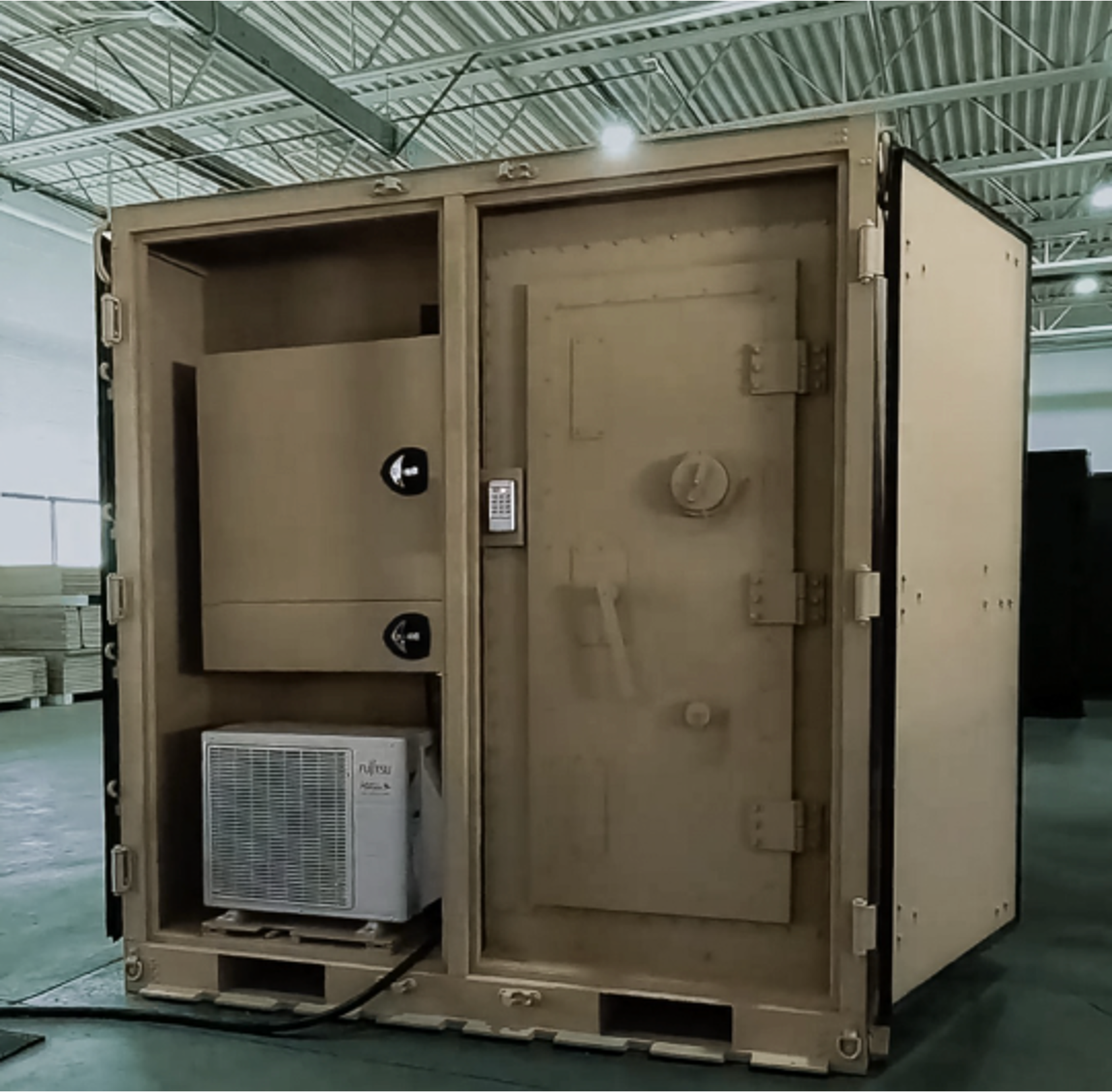
A SCIF is a U.S. government-accredited space: whether permanent, modular, or expeditionary, SCIFs help military and intelligence organizations maintain data integrity. These facilities are engineered to defeat attempts at surveillance, including acoustic interception, visual observation, and electronic emissions. Think of a SCIF as key equipment for maintaining operational security. It’s the hardened center that supports every other part of your mission-critical strategy, ensuring classified assets remain protected.
Why SCIFs Matter More Than Ever
SCIFs are more important today because modern military operations run on a secure information flow. The threat is constant and evolving, with adversaries relentlessly probing for weak points. Standard infrastructure does not hold up under targeted attacks.
- Federal law and military policy, such as ICD 705, mandate strict technical specifications for all facilities handling SCI.
- Non-compliance with these rigorous standards results in failed missions, wasted resources, and compromised operational security.
- The increasing pace of mission requirements demands rapid adaptation, making deployable, expeditionary SCIFs essential for maintaining security at the tactical edge.
Core Principles of Successful SCIF Implementation
To succeed with your SCIF strategy, you need to follow a few core principles. These are the non-negotiable pillars that ensure your facility is not just compliant, but fully mission-ready.
- Precision is Mission-Critical: Every detail, from the initial Construction Security Plan (CSP) development, to the physical hardening and desired RF attenuation levels must be executed with precision.
- Compliance is Mandatory: Adherence to strict regulatory standards like ICD 705 is not a guideline, it is a requirement for accreditation and operational effectiveness. If the SCIF can't be accredited it is not a SCIF, it's just an expensive box.
- Lifecycle Support is Key: A SCIF must remain secure throughout its entire lifecycle, demanding relentless maintenance, ongoing certifications, and technical support to counter emerging threats.
Step-by-Step: How to Execute SCIF Procurement Effectively
Here’s a step-by-step process you can follow to procure and implement a SCIF solution successfully.
/01. Define the Requirement
Evaluate your mission scope, classification levels, and integration needs. Collaborate directly with engineering and operational teams to ensure technical specifications align with mission objectives and operational realities. Security in Depth (SID) is paramount.
/02. Leverage the Right Contract Vehicles
Know what success looks like before you start. Use established procurement vehicles like GSA Schedules and DLA TLS to secure pre-vetted, regulation-compliant solutions that deliver both speed and strict adherence to standards.
/03. Choose the Right Partner and Solution
Select a provider and solution that align with your strategy. This includes permanent, modular, or expeditionary SCIFs capable of meeting your specific operational footprint and deployment timelines.
/04. Build and Execute Your Strategy
Launch with a focus on a clear Construction Security Plan (CSP). Execute the buildout with an emphasis on quality, precision, and adherence to the accreditation timeline. Maintain security throughout each touch point and phase of the project.
/05. Measure, Learn, and Maintain
Track facility performance, conduct regular security audits, and ensure continuous accreditation. Refine security protocols over time to adapt to new threats and maintain mission readiness.
Common Mistakes to Avoid with SCIFs
Avoid these mistakes to save time, resources, and frustration, and to prevent mission failure.
- Starting without a clear requirement: A poorly defined scope leads to misaligned solutions and wasted funds. If you are unsure, partner with a competent industry partner with relevant experience to ensure mission success.
- Focusing on location over performance: Accreditation and security effectiveness determine a SCIF’s value, not whether it is fixed or mobile.
- Ignoring lifecycle support: Failing to plan for ongoing maintenance, recertification, and technical support leaves facilities vulnerable.
How ATTAIN Can Help You Implement Your SCIF
ATTAIN simplifies SCIF deployment by helping you proactively navigate the complex regulations and accelerate timelines. We deliver mission-ready, accredited SCIF infrastructure with precision. Using a professional team with extensive expertise, units have streamlined the entire process from procurement to accreditation, ensuring their facilities pass inspection and maintain operational integrity without fail. We quiet the noise and help you assertively attack your requirements.
Final Thoughts
Implementing a SCIF may feel overwhelming, but with the proper planning and team alignment, it’s completely achievable. Secure, compliant SCIF infrastructure safeguards your operations, ensures compliance, and delivers the technical advantage needed to win. Progress is more important than perfection, and taking decisive action is the first step toward operational excellence.